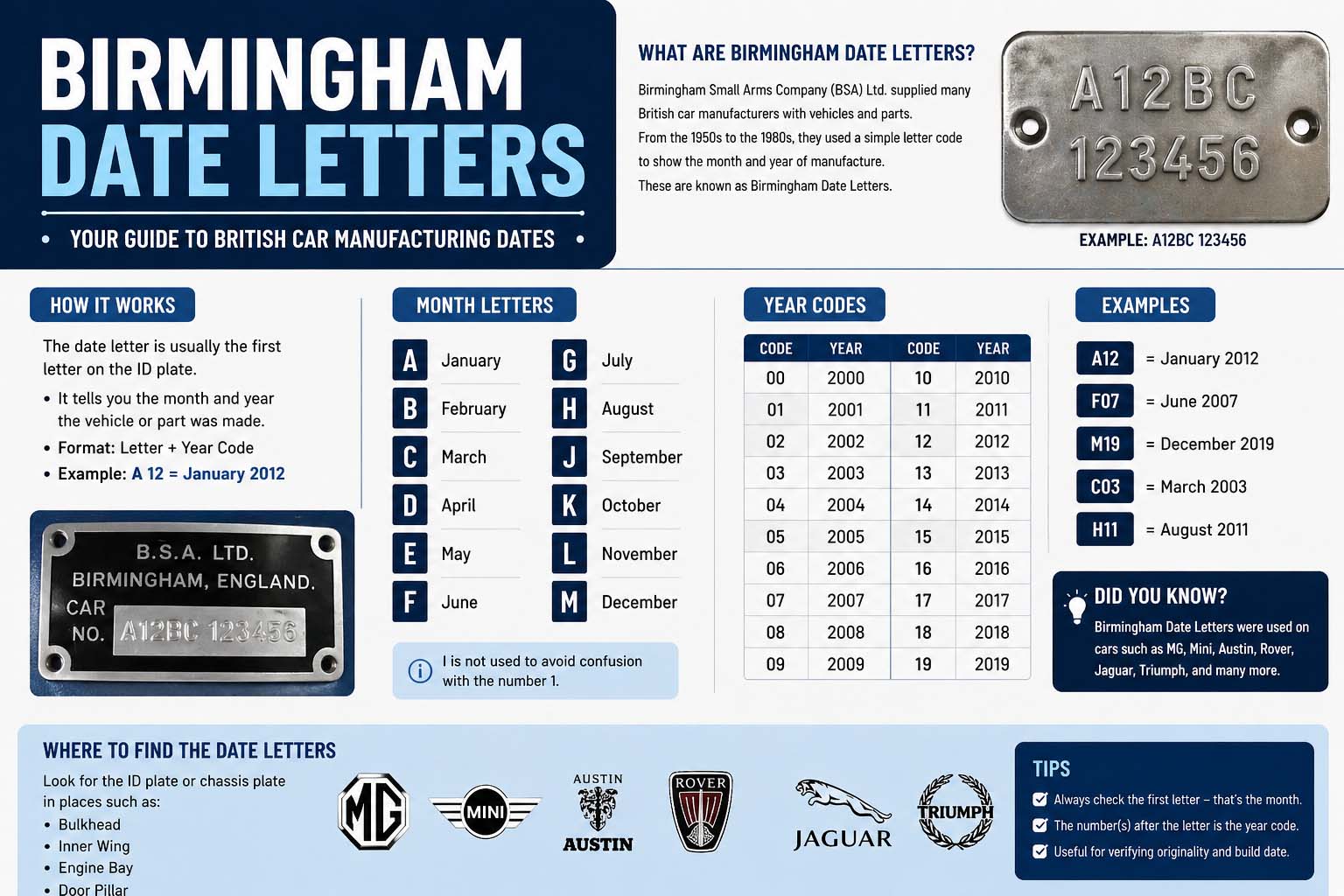
Birmingham date letters are one of the most useful tools for identifying and dating antique silver, gold, and jewelry items from England. If you own a vintage spoon, teapot, ring, or collectible silver piece, understanding date letters can help reveal when it was officially assayed and hallmarked. Collectors, dealers, and antique lovers often rely on these marks to determine authenticity and age.
The Birmingham Assay Office is one of the most famous hallmarking institutions in the United Kingdom. Established in 1773, it has tested precious metals for centuries. Each year, a new letter style was introduced to indicate the year of assay. These Birmingham date letters make it possible to estimate the age of an item with impressive accuracy.
What Are Birmingham Date Letters?
Birmingham date letters are alphabetic symbols stamped on silver, gold, platinum, and other precious metal items that were tested at the Assay Office. These letters change every year and are part of a hallmark system designed to protect buyers and maintain metal standards.
A full hallmark often includes several marks:
- Maker’s mark
- Standard mark (silver or gold purity)
- Assay office mark
- Date letter
- Duty mark (older items)
The Birmingham date letters specifically show the year the item was tested and approved. This does not always mean the exact manufacturing year, but it is usually very close.
Why Birmingham Hallmarks Matter
Hallmarks provide confidence that an item is genuine. In the antique market, silver and gold items without proper marks can be harder to value. help collectors verify age and compare it with style, craftsmanship, and maker history.
For example, a Victorian silver brooch may have a Birmingham anchor mark and a date letter from the 1890s. This instantly gives more confidence in its period origin.
The Birmingham Assay Office Symbol
The symbol for Birmingham is the famous anchor. If you see an anchor stamped beside other marks, it usually means the piece was tested in Birmingham. When paired with Birmingham date letters, the anchor helps confirm both location and year.
This mark became widely recognized and is still used today in modern hallmarking.
How the Date Letter System Works
The date letter changes annually, but it is not as simple as using A for one year, B for the next, and so on forever. Birmingham date letters use cycles. Each cycle changes:
- Font style
- Letter case (upper or lower case)
- Shape of the shield around the letter
- Sequence of letters
Because of these repeating cycles, the same letter may appear in different centuries. The surrounding shape and style are essential for correct dating.
For example, a lowercase “g” in one shield shape may represent a different year than an uppercase “G” in another shield.
How to Read Birmingham Date Letters
To identify a hallmark correctly, follow these steps:
1. Locate the Full Hallmark
Look for a group of tiny stamps on the item. Common places include the back of spoons, inside rings, bases of bowls, or clasps of jewelry.
2. Find the Anchor
The anchor confirms Birmingham as the assay office.
3. Identify the Letter
Look carefully at the date letter. Use magnification if needed.
4. Check the Shield Shape
The frame around the letter is often the key to narrowing the year.
5. Compare With a Reference Chart
Use a trusted Birmingham hallmark chart to match the letter and shield style to the correct year.
Popular Items with Birmingham Date Letters
Many collectible objects carry Birmingham hallmarks. These include:
Silver teaspoons, forks, and serving sets are common finds. Jewelry such as lockets, bangles, and rings also frequently feature Birmingham date letters. Collectors of antique cigarette cases, photo frames, and decorative boxes often use hallmark charts to determine value.
Even modern silver gifts may carry recent Birmingham hallmarks.
Birmingham Date Letters and Antique Values
Correctly dating an item can significantly affect value. A Georgian or early Victorian silver item may be worth more than a later reproduction. Birmingham date letters help separate genuine antique pieces from newer items made in older styles.
Collectors often pay premiums for items from special eras such as:
- Georgian period
- Victorian era
- Edwardian era
- Art Deco period
- Mid-century modern silver
Knowing the hallmark year can make buying and selling easier.
Common Mistakes to Avoid
Many beginners assume the letter alone gives the date. This is one of the biggest errors. Birmingham date letters must always be read together with font style and shield shape.
Another mistake is confusing worn marks with different letters. A worn “c” may look like an “e,” or a serif font may mislead the eye. Good lighting and magnification help avoid mistakes.
Finally, remember that imported items can carry separate import marks and may not follow older domestic cycles in the same way.
Best Resources for Hallmark Research
If you regularly buy antiques, keeping a hallmark reference book is wise. Many collectors also use online hallmark databases and museum resources. Comparing several sources can improve accuracy when researching Birmingham date letters.
Auction catalogs and antique forums can also help identify unusual maker’s marks paired with date letters.
Are Birmingham Date Letters Still Used Today?
Yes, hallmarking continues in modern times. The Birmingham Assay Office still tests precious metals, although modern hallmark systems may look slightly different from antique examples. Contemporary jewelry and silver can still carry Birmingham marks, offering traceability and assurance.
Final Thoughts
Birmingham date letters are an essential part of British hallmark history. They allow collectors, dealers, and everyday owners to uncover the story behind silver and gold treasures. By learning how to recognize the anchor mark, identify the letter style, and compare shield shapes, you can date many items with confidence.
Whether you inherited family silver or found a hidden treasure at a market, understanding Birmingham date letters can turn a simple object into a fascinating piece of history.